Study of The Wild Geese
Explore Richard's Research Focus
Richard’s research dives into the history and impact of the Wild Geese and Jacobites. He aims to bring these fascinating stories to light, helping students and enthusiasts understand the significance of this unique period. Discover valuable insights that connect the past with the present.
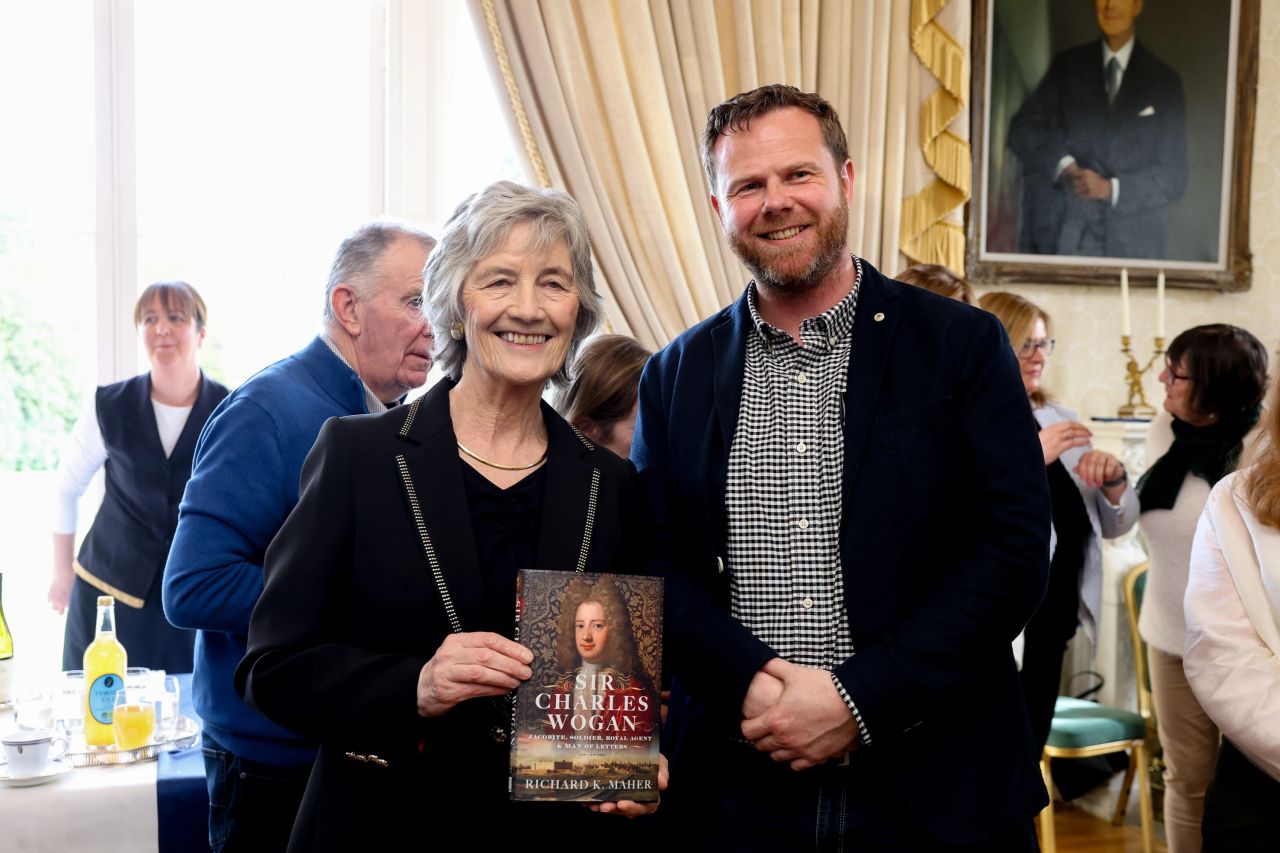
Uachtarán na hÉireann Catherine Connolly, the president of the Republic of Ireland, with Richard Maher at the presidential residence in Dublin, March 2026.
Connecting History and Culture
Key Events of Richard's Expertise
This timeline highlights some significant events in the history of the Wild Geese and of the life of Sir Charles Wogan. It provides context and insights into their journeys, struggles, and contributions. Explore the moments that shaped their legacy, making the rich history accessible and engaging for everyone.
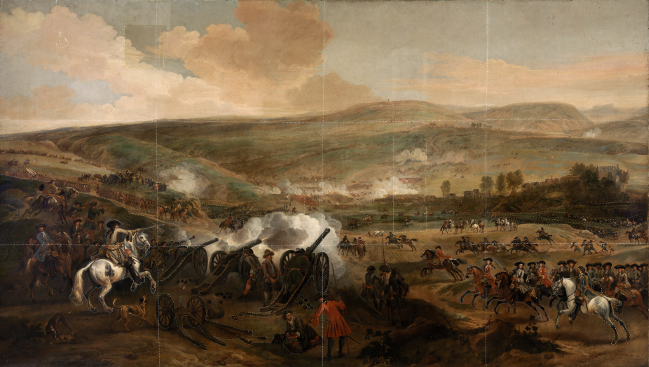
The War of the Two Kings - 1689-1691
Explore this pivotal event in Irish history, its key figures and events, and its consequences.
The Rescue & Escape of Princess Clementina Sobieska
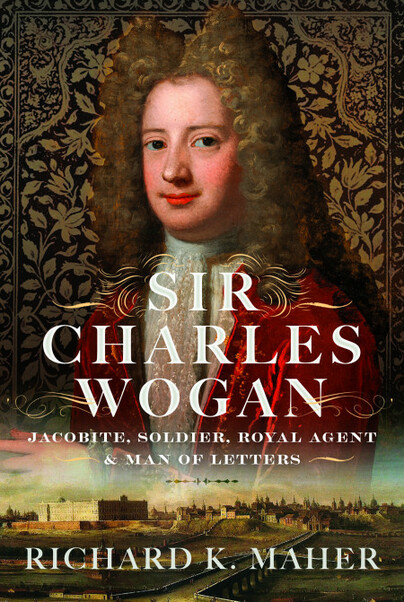
In April 1719, Sir Charles Wogan, an Irishman originally from Kildare led a rescue party of four Irishmen, one Irish woman, and one French woman in an attempt to liberate the Polish Princess Maria Clementina Sobieska. The young princess had been betrothed to James Stuart III, the de jure legitimate ruler by right of succession of the kingdoms of England, Scotland and Ireland; however, the British government demanded her arrest as she transited through Habsburg territory. Holy Roman Emperor Charles VI was compelled to comply. Let Richard be your guide in the retelling of this incredible true story of how Sir Charles and his group of hand-picked officers of the Irish Brigade in French Service successfully guided Princess Clementina to a triumphant welcome in Rome in May 1719.
Sir Charles Wogan, the 1715 & 1745 Jacobite Risings, & the Wild Geese émigrés
Sir Charles Wogan had endured a tedious period of exile as he waited for an opportunity to attempt to restore the Jacobite claimant to the the thrones of Britain and Ireland, James Stuart III. For the thousands of Irish who had taken ship to join the armies of France, Spain and other European powers, this event constituted the last great hope to restore their rightful king to power and abolish the harsh penal legislation against the majority Roman Catholic population of Ireland under which they had lived since the 1690s. Let Richard guide you through the trials and tribulations of the life of Sir Charles during his time in the service of the King of Spain, Philip V, and how he played an important part as the official Jacobite representative to the Spanish Royal Court to solicit aid for the young Prince Charles Edward, and his forces engaged in the 1745 Rising in favour of the House of Stuart.
Ireland & the Irish during the eighteenth century
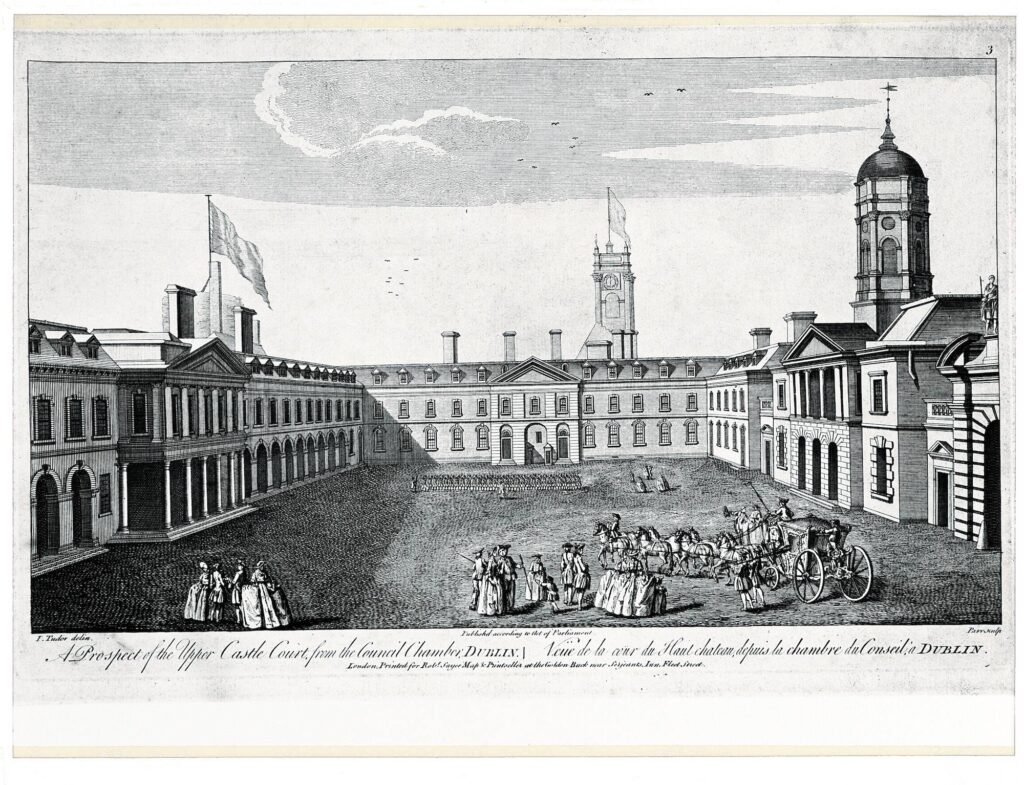
Historians of this period often use the term 'the long eighteenth century' to describe the period roughly from 1688-1789 when the French Revolution occurred in Europe; though some even extend it to the defeat of Napoleon Bonaparte in 1815. For Ireland, the defeat of the Irish Jacobite Army during the War of the Two Kings, 1689-1691, would soon afterwards result in the ascendancy to power of the Irish Anglican Protestant community. This community had supported the deposition of King James Stuart II in favour of his son-in-law William of Orange, who was viewed as a defender of the protestant interest, not just in the three kingdoms of England, Scotland and Ireland, but in Europe as well. The lenient terms of the Articles of Limerick singed between the two warring sides, ended hostilities; but they were ignored by the Irish Anglican community, who distrusted the Roman Catholics of Ireland. They feared that they would continue to seek to restore the Stuart claimants, and that they would dispossess them of their considerable land holdings in Ireland, which by the end of the century stood at 86% of all the land. To confirm their hold on power in Ireland, harsh penal legislation was expanded starting in the 1690s which prevented Catholics from inheriting land; from obtaining a formal education; from entering professions in law or the military; from owning firearms or military-size horses; and facilitated the harassment of Catholic clergy. While many stayed and endured these conditions, many others left to join the Irish Brigades of France, Spain or the Holy Roman Empire for the chance of a better life. So what Richard would like to explore with you are questions such as these: what was life like in eighteenth century Ireland? - How did the ancient culture and traditions of the gaelic literati [poets & other knowledge keepers] continue their practices? - What cultural artifacts in both languages, such as songs, poetry and music, still survive today? - How did the Wild Geese emigrants fare in their new host societies? How did the Irish protestants view the Roman Catholic peasantry they ruled over; and how did they view themselves? If you wish to explore these questions and ideas, Richard can be your guide.
Join Our Community of Learners
Stay connected and enhance your learning experience. Subscribe to receive updates on our courses, research, and special events. Join fellow learners eager to delve into the fascinating worlds of Irish and English studies and our unique history courses.
Feedback from Our Clients
Hear from Our Students

Common Questions
Find answers to your queries about our lessons and research.
We provide lessons in both Irish and English. You can choose the language that best fits your needs. Our courses cater to different skill levels, ensuring a great experience for everyone.
You can easily book a lesson through our online reservation system. Just select your preferred time slot on Mondays or Tuesdays and reserve your spot online. We also offer private lessons if you’re looking for one-on-one instruction.
Our main research focus is on the Wild Geese and the Jacobites. We delve into their history and significance, and we’re committed to sharing our findings through publications and talks.
You can access our publications directly from our website. We provide links to academic papers and articles that detail our ongoing research, making them readily available for those interested.
Absolutely! We invite you to connect with us on LinkedIn and Instagram. Follow us for updates, insights, and to engage with our community. We appreciate your support!